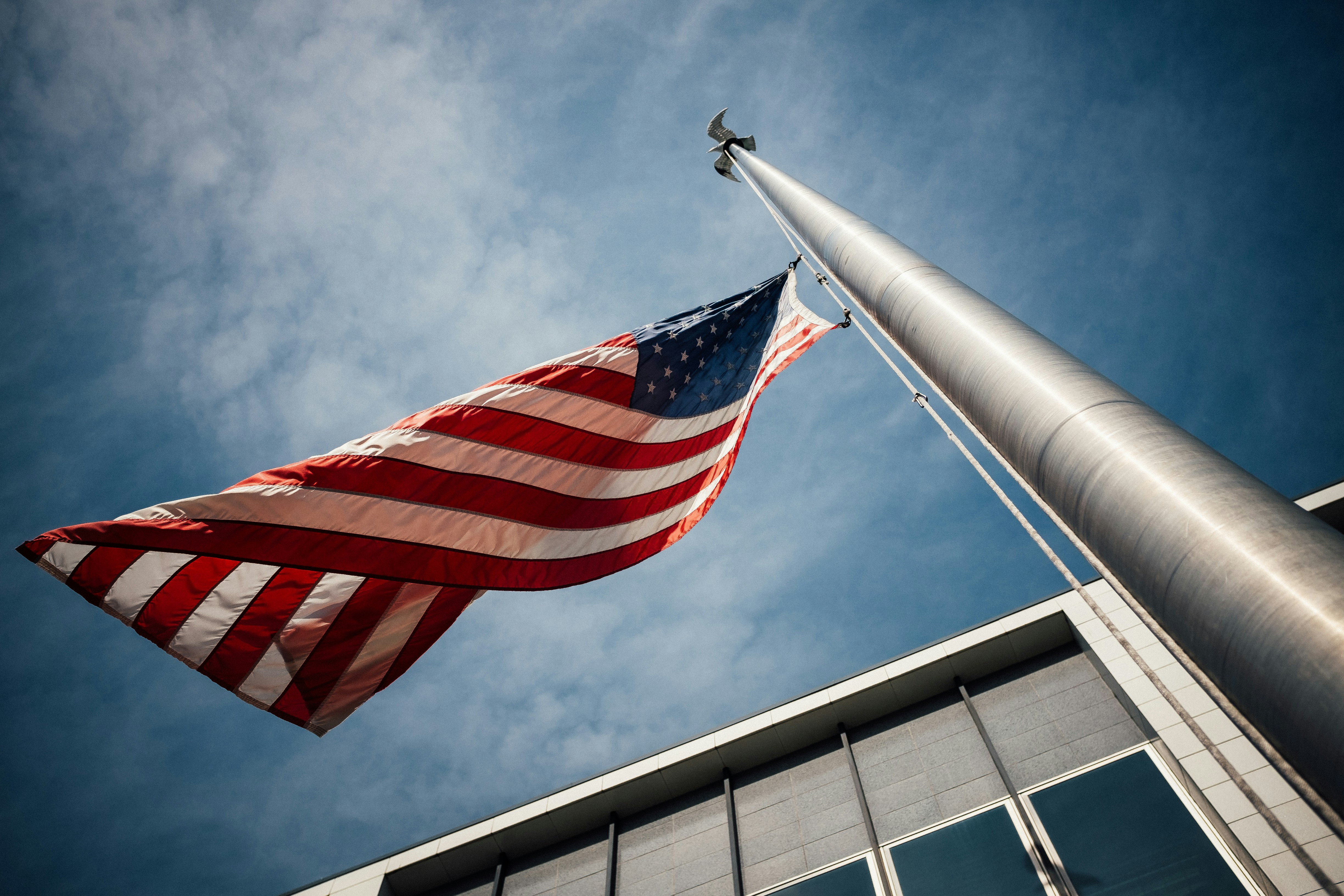
United States and The Return of Deterrence
Ahmed Nohassi · February 2, 2026 ·7:15pm. Columbia, USA
I have been continually struck by how the early decades of the 21st century have transformed our understanding of international institutions and global order. Traditionally, liberal scholars emphasized the central role of multilateral institutions such as the United Nations in managing interstate conflict and promoting norms of cooperation. For scholars like Kenneth Waltz, structural conditions, such as bipolarity versus multipolarity, were key determinants of the likelihood of war, rather than institutional frameworks alone.
In recent years, however, U.S. foreign policy has taken a markedly different direction under the Trump administration, emphasizing military strength and deterrence over traditional multilateral engagement. A dramatic example of this shift occurred on January 3, 2026, when the United States launched a large-scale military operation in Venezuela, culminating in the capture of President Nicolás Maduro and his wife, who were flown to New York to face federal criminal charges including narco-terrorism and drug trafficking in the Southern District of New York. This operation, widely reported as Operation Absolute Resolve, involved coordinated airstrikes and the deployment of significant U.S. military assets in the region ,a stark demonstration of U.S. willingness to use force beyond conventional diplomatic pressure.
This intervention has major implications for evolving international order. While the Trump administration defended its actions in terms of deterrence and national security, critics have argued that such unilateral use of force, conducted without clear United Nations Security Council authorization, undermines established norms of sovereignty and collective security that have underpinned the post-World War II order. Indeed, debates at the U.N. Security Council highlighted concerns that Washington’s actions could “threaten the very foundations upon which the multilateral world order was built.” At the same time, the geopolitical ripple effects are already visible. Venezuela’s interim government has pursued diplomatic engagement, with the U.S. reopening its diplomatic mission in Caracas after a seven-year hiatus and signaling a return to dialogue. Meanwhile, broader strategic pressures in the region, including U.S. actions toward Cuba, reflect an administration prioritizing coercive leverage over traditional institution-based cooperation. At the same time, the geopolitical ripple effects are already visible. Venezuela’s interim government has pursued diplomatic engagement, with the U.S. reopening its diplomatic mission in Caracas after a seven-year hiatus and signaling a return to dialogue. Meanwhile, broader strategic pressures in the region, including U.S. actions toward Cuba, reflect an administration prioritizing coercive leverage over traditional institution-based cooperation. Collectively, these developments suggest a re-imagining of global order one where institutions like the United Nations may be sidelined in favor of direct demonstrations of power and deterrence. Whether this represents a lasting transformation or a momentary shift in strategic orientations remains an open question, but it unquestionably signals that we are living in an era of contested multilateralism and redefined great-power politics. Supporters of President Donald Trump’s foreign policy argue that his assertive approach reflects a necessary recalibration of American strategy in an increasingly complex and competitive world. Rather than relying primarily on traditional multilateral institutions, the administration’s 2025 National Security Strategy emphasizes a realist focus on strategic interests and deterrence, asserting that U.S. engagement abroad should directly protect national security and economic well-being rather than perpetually underwrite global order for others. This framework, often described as a modern articulation of an “America First” security paradigm, holds that strength and decisive action can prevent threats from metastasizing into larger conflicts and deter adversaries such as transnational criminal networks and geopolitical rivals. In the case of Venezuela, many see the January 3rd of this operation that resulted in the capture of Nicolás Maduro as an extension of this strategy a targeted use of power to confront narco-terrorism and stabilize U.S. regional interests, while avoiding protracted occupation or open war. Following the intervention, the rapid reopening of Venezuela’s commercial airspace and talks with interim leaders signal a shift toward normalization and diplomatic engagement alongside security measures. Supporters argue that such actions demonstrate a coherent blend of deterrence and diplomacy, reinforcing U.S. influence in the Western Hemisphere and undercutting hostile actors without relying solely on global institutions to dictate.Sources
- White House
- U.S. Department of Justice, Southern District of New York
- Associated Press
- United Nations Security Council
Did you find this analysis useful?